



Styled By Systems
Research paper

Introduction
This research focuses on how technology-based platforms, visual culture apps, and data-driven systems have become critical forces in fashion, pushing it toward styling templates, social media references, and instructional aesthetics instead of individual sensibility or cultural intuition. Fashion communication today is increasingly a reflection of what is already trending or has been sanctioned by others, particularly through platforms like Pinterest and Instagram. This paper raises the argument that fashion is losing its identity and emotional depth not merely because of technology, but because of an unquestioned surrender to regimented, predetermined modes of production. Pinterest is one of the most transparent examples. More than 80% of Gen Z and millennial users, according to a 2023 trend report, save the same outfits and visual reference points. When stylists and fashion students set out to create a look, they begin with Pinterest for visual inspiration and frequently end with looks that are nearly identical to what they found there. Social media users are no longer merely taking cues; they are taking copies. The "clean girl look," the "vanilla girl," and the "downtown NYC aesthetic" began as outfit formulas and became image templates, co-opted wholesale by countless users. While any individual may appear put together, these aesthetics routinely mask individuality, cultural specificity, and emotional intent. The central question of this paper is: what is the price of outsourcing authorship to structure? By examining styling education, reference culture, and visual mediation, this paper argues that fashion is moving away from an emotional and cultural voice and becoming, increasingly, a copy machine.

What is the price of outsourcing authorship to structure?
The theoretical grounding of this inquiry begins with Roland Barthes, who argued in The Fashion System that clothing is not merely practical or decorative; it is semiotic. Fashion communicates coded messages, much like a language. This idea established that fashion is never neutral, and it remains foundational to this paper's concerns: algorithm-led platforms replace semiotic codes with metrics, privileging visibility over meaning. Angela McRobbie and Agnès Rocamora extended this thinking into the digital context. McRobbie identified the fragile but genuine creative possibilities of fashion work and warned of the commodification of creativity, something now deeply relevant, since platforms structure not only what is produced but how and why. Rocamora demonstrated how digitalization changes aesthetic values and reshapes fashion communication from within, pulling it toward familiar, circulatable forms rather than distinctive ones. Together, they establish that the shift underway is not a neutral evolution of medium; it is a structural reordering of what fashion is allowed to mean.
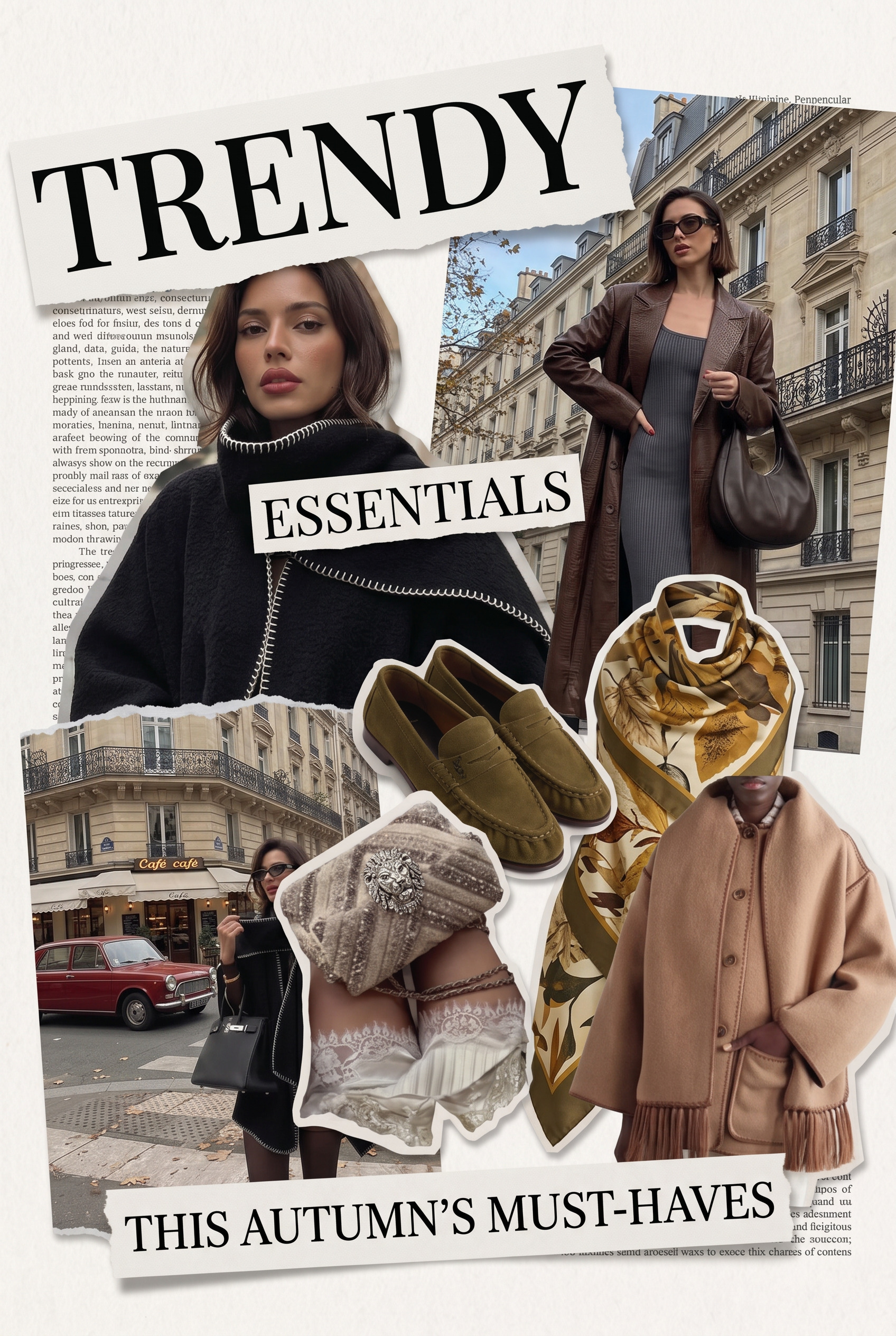
Visual similarity and imitation are now the dominant modes of stylistic circulation. Lev Manovich argues that platforms like Instagram and Pinterest do not simply host fashion; they produce it. Their algorithms decide what looks "good," what circulates, and therefore what gets made, creating homogeneity at scale. Brooke Erin Duffy identified the resulting pressure through the concept of aspirational labor: content creators, stylists included, are rewarded for conforming to popular aesthetics that satisfy both algorithmic and audience expectations. Deviating from the formula carries real professional cost. Pinterest makes this concrete. More than 80% of Gen Z and millennials use Pinterest to collect fashion visuals, with most relying on preconceived formulas, "clean girl," "vanilla girl," that present themselves as personal preference while functioning as algorithmically calculated templates. Research adds that while 86% of Gen Z users engage with style content on social media, fewer than 55% describe it as a genuine source of personal inspiration. The rest are consuming without internalizing. Performing without feeling

Trend Cycles, Virality, and Micro-Culture Consumption
Fashion has entered a phase where trends develop, peak, and collapse within days or weeks, driven entirely by digital virality rather than cultural movement. The rise of Labubu dolls is the clearest recent example. Fuzzy monster figurines skyrocketed on Instagram after celebrity endorsements, with Gen Z stylists and influencers incorporating them into their outfits. On the surface, Labubu offered room for personal meaning and playful originality. In practice, engagement with the doll quickly became something else: a performance of trend awareness, a visual shortcut demonstrating platform fluency. For most participants, the doll carried no personal significance; it signaled that they knew what was current. This is the core dynamic. When the original is absent and viral is the only metric, identity is performed rather than lived. The Labubu moment is not an anomaly. It is the standard operating condition of contemporary fashion communication: spectacle over substance, validation over voice.
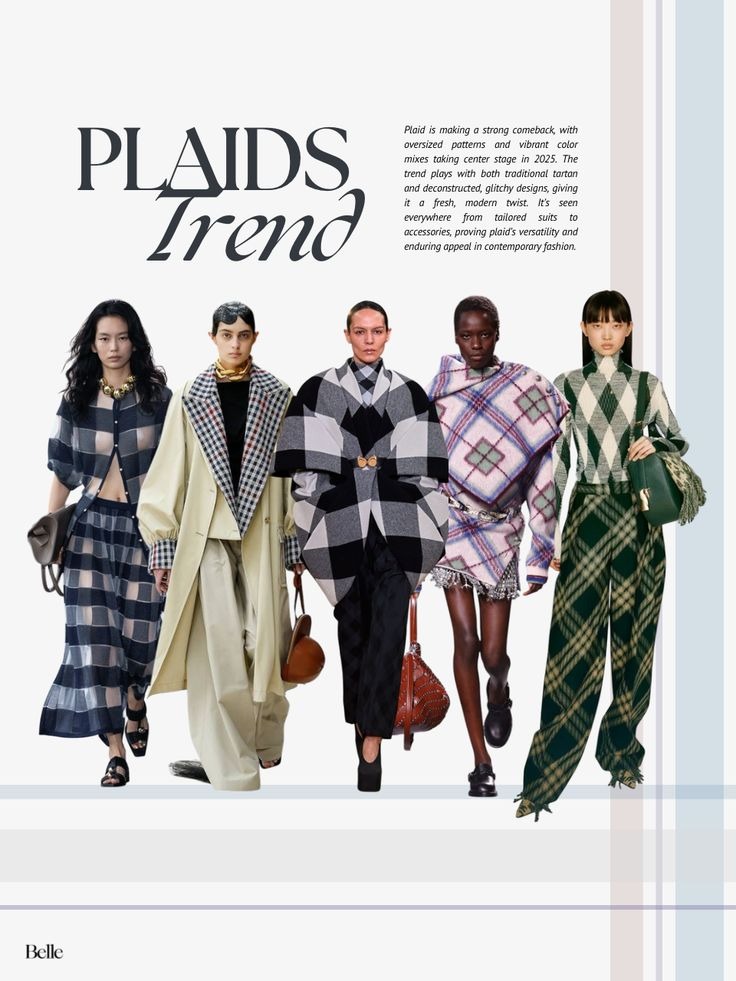
The Human Cost
This is where platform critique becomes something more urgent, a human critique. Law Roach's public statements about stepping back from styling spoke directly to the emotional exhaustion of producing visual output without real creative satisfaction. He drew a clear distinction between making things that looked correct and feeling any genuine connection to the work. His experience is not exceptional. It is a logical consequence of system-based aesthetics, which extract emotional authorship while demanding technical execution. Elizabeth Wissinger theorized this through the concept of "glamour labor," the invisible curatorial work that goes into aligning bodies and aesthetics with what platforms and algorithms reward. That work favors visual sameness, discourages risk, and steadily erodes emotional depth. Rosalind Gill and Ana Sofia Elias extended this further, identifying how stylists must simultaneously manage client needs, platform constraints, and emotional coherence, a triple pressure that the current system intensifies without acknowledging. The result is stylists who are technically proficient and creatively exhausted. Doing more. Feeling less. Making work that circulates and disappears
Subcultures, Rebellion, and the Flattening of Voice
Fashion was once explicitly political. Dick Hebdige documented how styles like punk functioned as active disruption, a mode of resistance, rebellion, and identity work that challenged dominant aesthetic and cultural norms. That function has not disappeared, but it has been significantly suppressed. The influencer economy has produced a flattening of voice in fashion expression. Styles now perform visibility while stripping away disruption as a goal. Sarah Banet-Weiser identified a related phenomenon, the replacement of authentic emotion with brand-safe packaging, in which creativity is rewarded only when it is algorithmically legible. Pierre Bourdieu's framework remains relevant here. While digital platforms appear open and democratic, they consistently promote aesthetics tied to class, race, and gender. They favor the polished and the aspirational. What they push to the margins is precisely what fashion once made room for: diverse, disruptive, culturally specific expression. Bell Hooks and Lisa Nakamura both identified how these structures of visual exclusion operate, not through explicit gatekeeping, but through the quiet, systemic reward of some aesthetics over others. Fashion, in this context, has become costume rather than commentary.

Teaching the Copy Machine
The education system has not been immune. Fashion pedagogy, which Joanne Entwistle and Sandy Black once described as rooted in experimentation, instinct, and theory, has shifted. Students now arrive at fashion programs already aesthetically pre-formed by Pinterest and Instagram. Research has observed that most fashion students default to top-pinned aesthetics early in their education, bypassing original thinking before it has had the chance to develop. What is lost in this process is not just creativity in the conventional sense. It is the capacity for surprise, for rebellion, for meaning-making from personal and cultural experience. When education validates what platforms already reward, it does not prepare students to work in fashion; it prepares them to work inside the algorithm.
The Industry Loop
The problem does not stop with individual stylists or students. It runs through the entire commercial fashion structure. Studies on Zara's trend-cycle and Fashion Nova's social media model demonstrate how major brands now design collections by scraping high-performing online content. Rather than initiating trends, they reactively reproduce them, deepening the loop of visual repetition. Tiziana Terranova described this mechanism as "free labor," the process by which the creative work of Pinterest users, stylists, and students sustains the system without compensation or credit. Jodi Dean extended this to argue that participatory culture itself has been converted into data and surplus value. The stylists, influencers, and fashion students generating this visual labor are not the beneficiaries of the system they feed. Henry Jenkins framed social media as both inspiration and creative constraint. The balance, as this paper argues, is now dangerously tipped toward the latter.
The Cost of Outsourcing Authorship
What this paper has identified is a pattern, not a glitch. Algorithmic platforms, visual culture templates, and system-driven education are collectively reshaping not just how fashion looks, but how it thinks and what it is permitted to feel. The emotional, political, and cultural layers of styling have been flattened into content formats optimized for attention, not expression. Fashion has acquired a remarkable capacity to produce work that circulates widely and means very little. The cost of outsourcing authorship to structure is a fashion culture that is steadily losing its ability to be disruptive, surprising, or genuinely expressive. When styling is stripped of instinct, it becomes mechanical. When it is reduced to templates, it forfeits its edge. Fashion communication needs to be reclaimed as a deliberately authored practice, one that places cultural fluency, emotional depth, and individual voice back at the center of the creative process.
Introduction
This research focuses on how technology-based platforms, visual culture apps, and data-driven systems have become critical forces in fashion, pushing it toward styling templates, social media references, and instructional aesthetics instead of individual sensibility or cultural intuition. Fashion communication today is increasingly a reflection of what is already trending or has been sanctioned by others, particularly through platforms like Pinterest and Instagram. This paper raises the argument that fashion is losing its identity and emotional depth not merely because of technology, but because of an unquestioned surrender to regimented, predetermined modes of production. Pinterest is one of the most transparent examples. More than 80% of Gen Z and millennial users, according to a 2023 trend report, save the same outfits and visual reference points. When stylists and fashion students set out to create a look, they begin with Pinterest for visual inspiration and frequently end with looks that are nearly identical to what they found there. Social media users are no longer merely taking cues; they are taking copies. The "clean girl look," the "vanilla girl," and the "downtown NYC aesthetic" began as outfit formulas and became image templates, co-opted wholesale by countless users. While any individual may appear put together, these aesthetics routinely mask individuality, cultural specificity, and emotional intent. The central question of this paper is: what is the price of outsourcing authorship to structure? By examining styling education, reference culture, and visual mediation, this paper argues that fashion is moving away from an emotional and cultural voice and becoming, increasingly, a copy machine.
Visual similarity and imitation are now the dominant modes of stylistic circulation. Lev Manovich argues that platforms like Instagram and Pinterest do not simply host fashion; they produce it. Their algorithms decide what looks "good," what circulates, and therefore what gets made, creating homogeneity at scale. Brooke Erin Duffy identified the resulting pressure through the concept of aspirational labor: content creators, stylists included, are rewarded for conforming to popular aesthetics that satisfy both algorithmic and audience expectations. Deviating from the formula carries real professional cost. Pinterest makes this concrete. More than 80% of Gen Z and millennials use Pinterest to collect fashion visuals, with most relying on preconceived formulas, "clean girl," "vanilla girl," that present themselves as personal preference while functioning as algorithmically calculated templates. Research adds that while 86% of Gen Z users engage with style content on social media, fewer than 55% describe it as a genuine source of personal inspiration. The rest are consuming without internalizing. Performing without feeling