



To fit or not to fit
Research Paper
Research Question
What sizing issues do Indian women face, and how do those issues affect their relationship with clothing, confidence, and self-perception?
Context
Fashion is often presented as a tool for confidence, self-expression, and individuality. Yet for many women, the experience of shopping begins not with self-expression but with compromise. The relationship between women and clothing extends far beyond garments themselves. Clothing influences how women see themselves, how they are perceived by others, and how comfortably they move through the world. Despite fashion's constant emphasis on empowerment and inclusivity, many women continue to face challenges when trying to find clothing that accommodates their bodies. This research was conducted to better understand women's apparel purchasing behaviour, the role of sizing in shopping experiences, and the emotional consequences that emerge when clothing systems fail to reflect the diversity of real bodies. What began as a study of apparel sizing evolved into a larger investigation of confidence, body image, accessibility, and belonging.
Research Overview
Participants: 80 women Age Groups: 18–25 years and 36+ years Methodology: Quantitative survey-based research Areas of Investigation Consumer behaviour Shopping preferences Brand perception Apparel sizing Body image Emotional impact of fit-related challenges
Key Findings
Women Adapt to Clothing More Than Clothing Adapts to Women
One of the strongest patterns that emerged throughout the study was that women frequently adjust themselves to clothing systems rather than clothing systems adapting to them. Participants described compromising on fit, altering expectations, and purchasing larger sizes when ideal fits were unavailable.
Bottomwear Creates the Greatest Sizing Friction
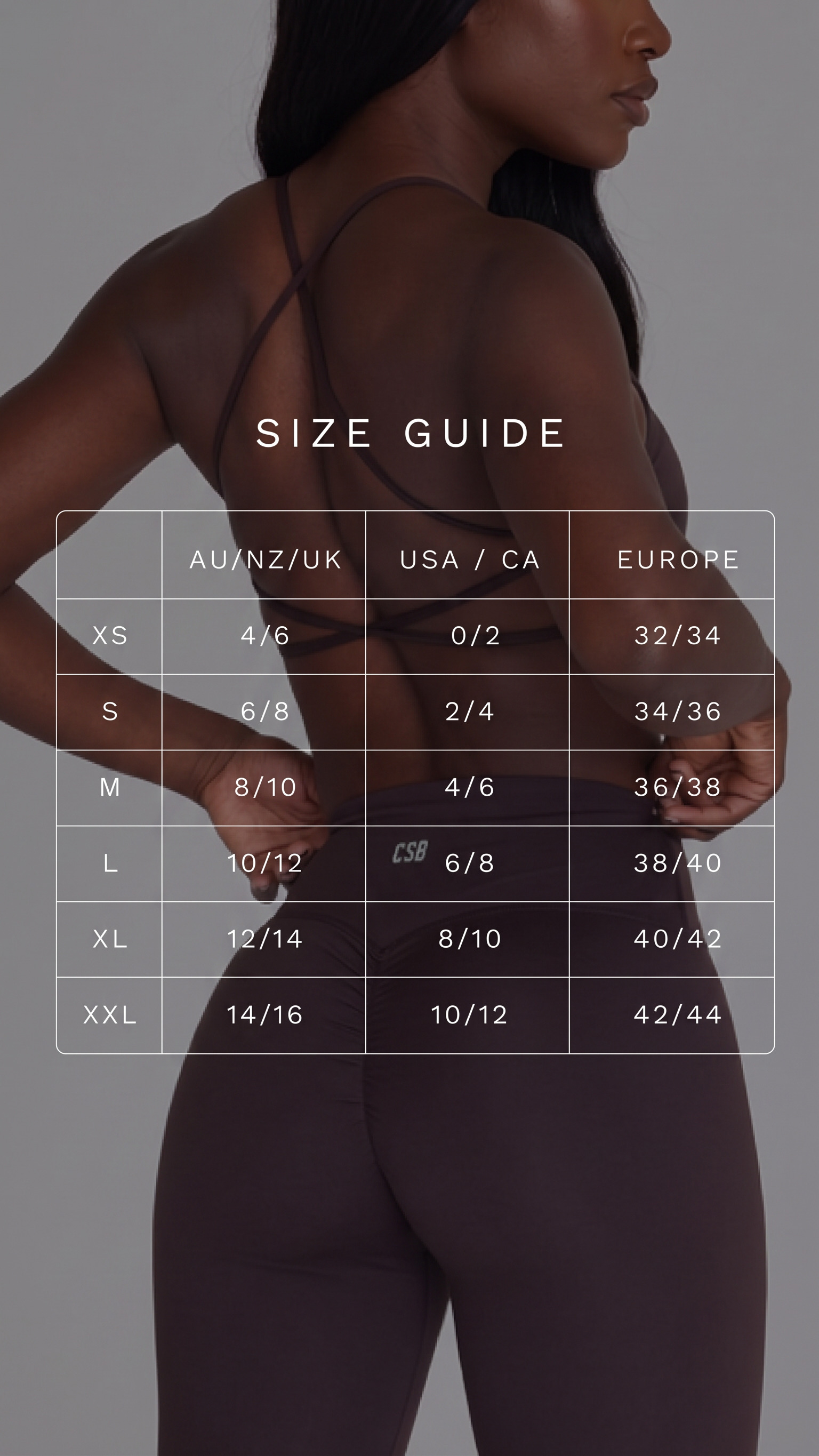
Across both age groups, women reported greater difficulty finding well-fitting bottomwear than topwear. The challenge was not simply finding a garment that matched a numerical size but finding one that reflected the realities of individual body proportions.
Fit Influences Confidence
Sizing issues were rarely described as practical inconveniences alone. Participants connected fit-related challenges to confidence, self-esteem, and body image. Difficulty finding clothing often resulted in frustration, self-consciousness, and comparison with idealized body standards.
Women Prioritize Feeling Over Trends
While social media continues to influence purchasing decisions, the strongest purchasing motivator across both age groups was the feel-good factor. Women were more likely to purchase clothing that made them feel comfortable, confident, and emotionally aligned than clothing chosen purely because it was trendy.
The Gap Between Indian Bodies and Existing Size Systems
The research revealed an ongoing disconnect between the diversity of Indian women's bodies and the sizing systems currently used by many fashion brands. Many brands continue to rely on imported sizing frameworks that fail to accurately represent the realities of Indian consumers.

The language surrounding fit revealed a deeper emotional pattern. Women often spoke about needing to lose weight, change proportions, hide certain parts of their bodies, or fit into a predetermined standard. Rarely was the garment itself positioned as the problem.
The expectation appeared reversed.
Instead of asking whether the clothing had been designed appropriately for diverse bodies, women often asked whether their bodies were appropriate for the clothing.
This shift is subtle but significant.
It suggests that sizing is not simply a manufacturing issue. It is also a cultural issue. Fashion frequently promotes ideas of individuality and self-expression, yet many women continue to encounter systems that struggle to accommodate the diversity of real bodies. The consequence is not merely inconvenience. It can create a sense of exclusion from the very industry that claims to celebrate individuality. The research also revealed the emotional contradiction at the centre of fashion consumption. Women consistently reported that feeling good was one of the strongest motivations behind purchasing clothing. They sought confidence, comfort, and self-expression. Yet the systems through which clothing is distributed often undermine those very goals when fit becomes a source of frustration.
What emerged from this study was a broader realization that sizing is ultimately a question of belonging. Who is considered when clothing is designed? Whose body is assumed to be standard? Who is asked to adapt? And who is accommodated? The future of fashion cannot be measured solely by aesthetics, trends, or consumption patterns. It must also be measured by its ability to acknowledge and respond to the realities of the people it claims to serve.
Why This Matters Why This Matters
Fashion frequently speaks the language of inclusivity, diversity, and empowerment. Yet many women continue to struggle with a challenge as fundamental as finding clothing that fits. The issue is not simply about size charts. It is about the relationship between clothing and self-worth. The research also revealed a significant oversight within the fashion industry. While brands increasingly champion inclusivity, many continue to overlook the need for standardized sizing systems that accurately represent Indian body types. The result is a fashion landscape where women are expected to adapt to clothing systems rather than clothing systems adapting to women. A truly inclusive fashion industry is not one that asks women to adapt themselves to clothing systems. It is one that designs clothing systems around the diversity that already exists. The future of women's apparel should not be about helping women fit into clothes. It should be about ensuring clothes fit women.
Reflection
Before beginning this research, sizing appeared to be a technical problem. It seemed like a question of measurements, manufacturing, and garment construction. The assumption was that better size charts would naturally lead to better shopping experiences. The research revealed something far more complex. The conversations surrounding sizing were rarely about numbers. They were about identity. What became evident throughout the study was that clothing occupies a unique position in women's lives. A garment is never simply a garment. It becomes part of how a woman understands herself, presents herself, and negotiates her place within the world. When clothing fits, the experience often passes unnoticed. When it does not, the impact can be surprisingly personal. Many women described frustration, disappointment, and self-consciousness when they were unable to find clothing that accommodated their bodies. What was particularly striking was how often responsibility was internalized. Rather than questioning the systems that produced inconsistent sizing, women frequently questioned themselves.
The Missing Indian Size Standard
One of the most significant findings of this research was the absence of a standardized sizing framework developed specifically for Indian women. Despite the diversity of Indian body types, many fashion brands continue to rely on sizing systems derived from Western populations. As a result, consumers often encounter inconsistencies between available size charts and their actual body measurements. Several participants expressed frustration with sizing discrepancies across brands, making it difficult to predict fit even when purchasing the same numerical size. The issue extends beyond convenience. When size systems fail to reflect the realities of the people they are intended to serve, the burden of adaptation shifts onto the consumer. Indian women continue to navigate clothing systems that were not originally designed around Indian anthropometric data. The result is a persistent gap between body realities and garment standards. Addressing sizing issues therefore requires more than additional size options. It requires a deeper understanding of Indian body diversity and the development of size frameworks that accurately represent it.
Research Question
What sizing issues do Indian women face, and how do those issues affect their relationship with clothing, confidence, and self-perception?
Context
Fashion is often presented as a tool for confidence, self-expression, and individuality. Yet for many women, the experience of shopping begins not with self-expression but with compromise. The relationship between women and clothing extends far beyond garments themselves. Clothing influences how women see themselves, how they are perceived by others, and how comfortably they move through the world. Despite fashion's constant emphasis on empowerment and inclusivity, many women continue to face challenges when trying to find clothing that accommodates their bodies. This research was conducted to better understand women's apparel purchasing behaviour, the role of sizing in shopping experiences, and the emotional consequences that emerge when clothing systems fail to reflect the diversity of real bodies. What began as a study of apparel sizing evolved into a larger investigation of confidence, body image, accessibility, and belonging.
Reflection
Before beginning this research, sizing appeared to be a technical problem. It seemed like a question of measurements, manufacturing, and garment construction. The assumption was that better size charts would naturally lead to better shopping experiences. The research revealed something far more complex. The conversations surrounding sizing were rarely about numbers. They were about identity. What became evident throughout the study was that clothing occupies a unique position in women's lives. A garment is never simply a garment. It becomes part of how a woman understands herself, presents herself, and negotiates her place within the world. When clothing fits, the experience often passes unnoticed. When it does not, the impact can be surprisingly personal. Many women described frustration, disappointment, and self-consciousness when they were unable to find clothing that accommodated their bodies. What was particularly striking was how often responsibility was internalized. Rather than questioning the systems that produced inconsistent sizing, women frequently questioned themselves.